Autonomous Retail 2.0: Moving Beyond Cashierless Stores
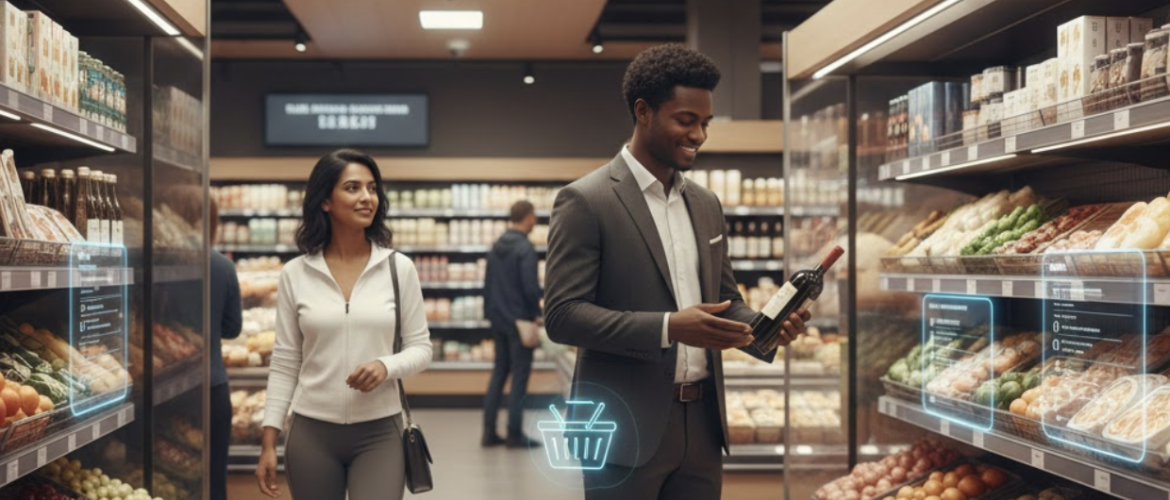
Retail in early 2026 is no longer just about removing the cashier; it is about the "invisible" integration of technology into every step of the consumer journey. This week, the launch of several "Autonomous Retail 2.0" pilots in major urban hubs has shown that the industry is moving beyond simple scan-and-go models toward "Zero Interface Retail"—where technology acts as an invisible engine, predicting and fulfilling needs without the consumer ever touching a screen.
Agentic Commerce: When AI Shops for You The most transformative trend identified in late January and early February 2026 is "Agentic Commerce." Autonomous AI agents are now beginning to act on behalf of consumers—browsing, comparing, and even executing transactions within defined preferences. This shift moves the battleground from user interfaces to data quality and real-time inventory visibility. Retailers who have invested in machine-readable infrastructure and RFID-driven automation are the ones winning in this new environment, as they can provide the instant, accurate data that AI agents require to make purchasing decisions.
From Transaction to Experience As commerce becomes increasingly automated, the role of the physical store is being redefined. In 2026, successful retailers are using technology to free up human staff for higher-value, empathy-driven tasks. "Hybrid Commerce" models are emerging, where digital convenience (like automated replenishment) is balanced with tactile, sensory-rich in-store experiences. Brands that can seamlessly connect these touchpoints—allowing a customer to start a purchase on a mobile agent and finish it in a highly personalized physical environment—are seeing the highest levels of customer loyalty.
Conclusion The retail landscape of 2026 is defined by frictionless flow and hyper-personalization. As technology becomes invisible, the focus returns to the consumer. For businesses, the challenge is to build a foundation of real-time data and open architectures that can support the next wave of autonomous, agent-led commerce.